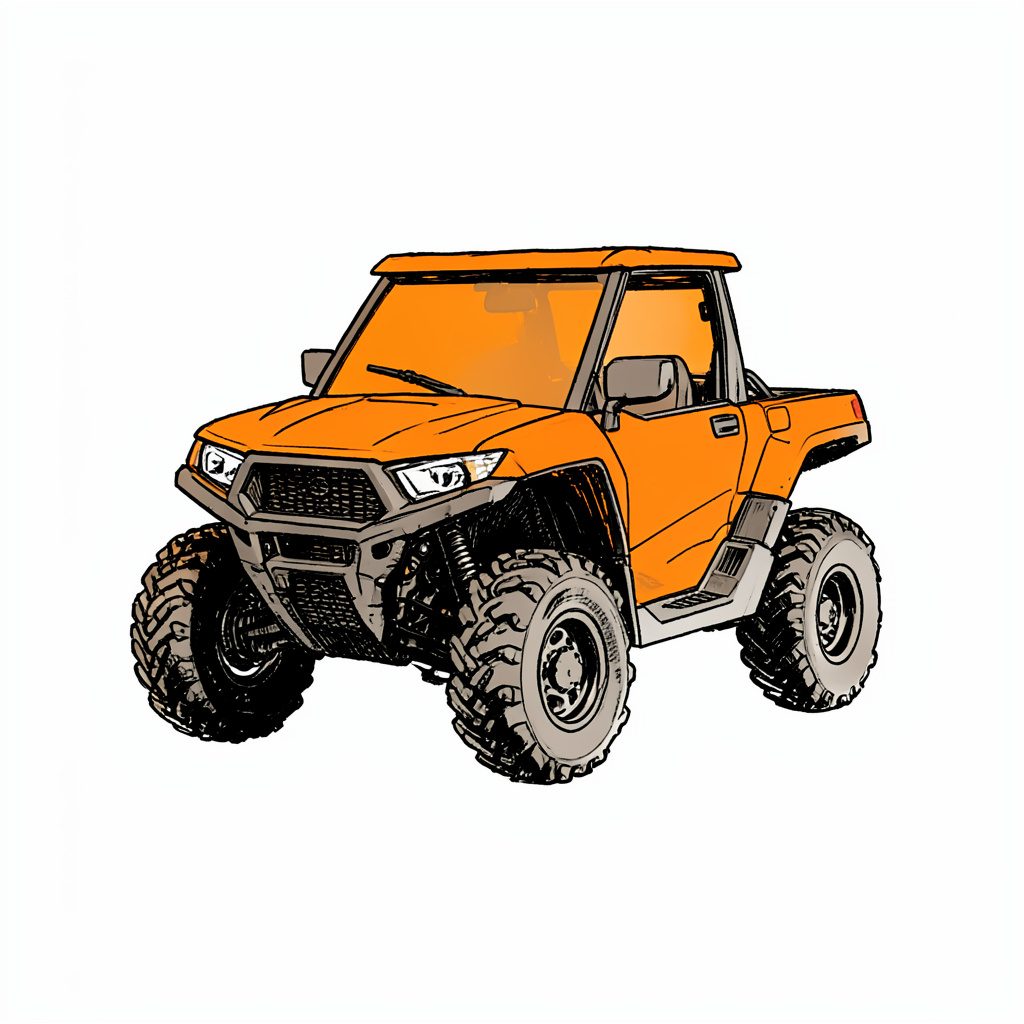
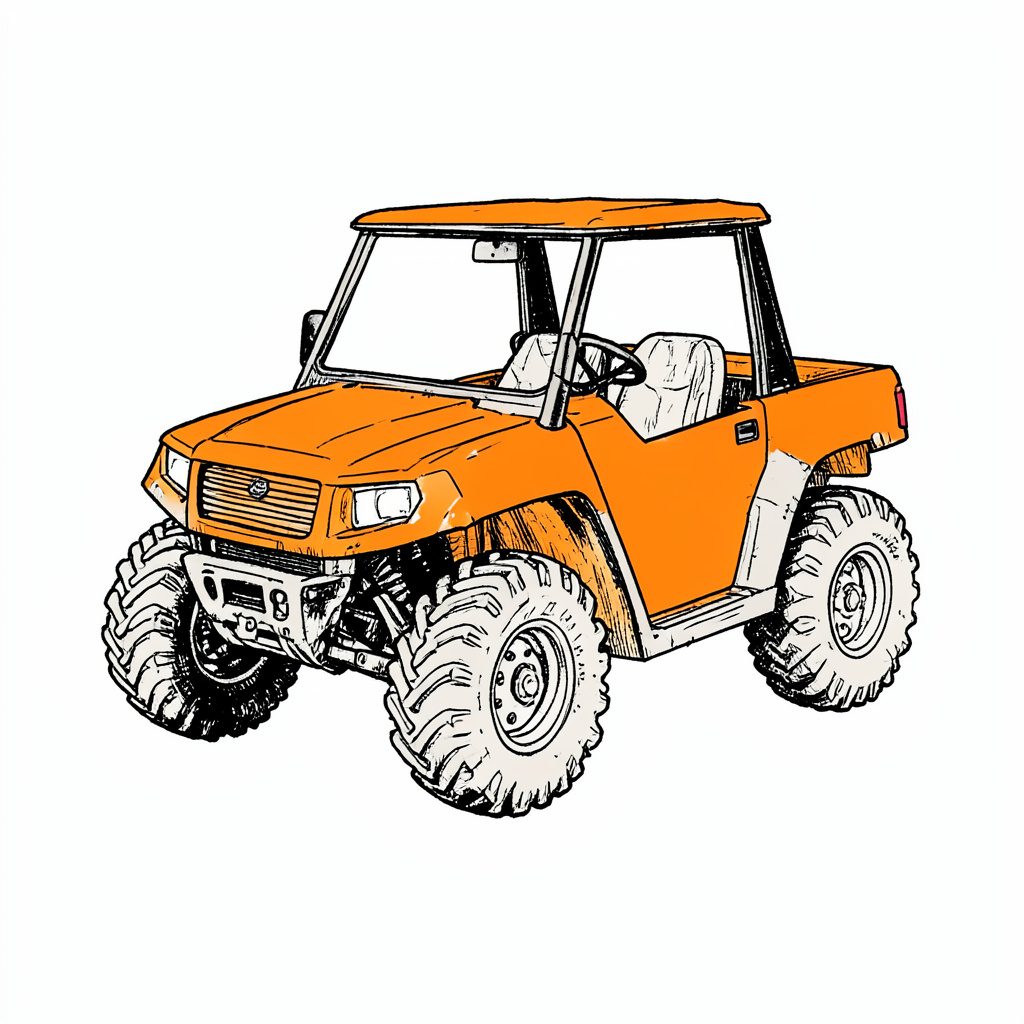
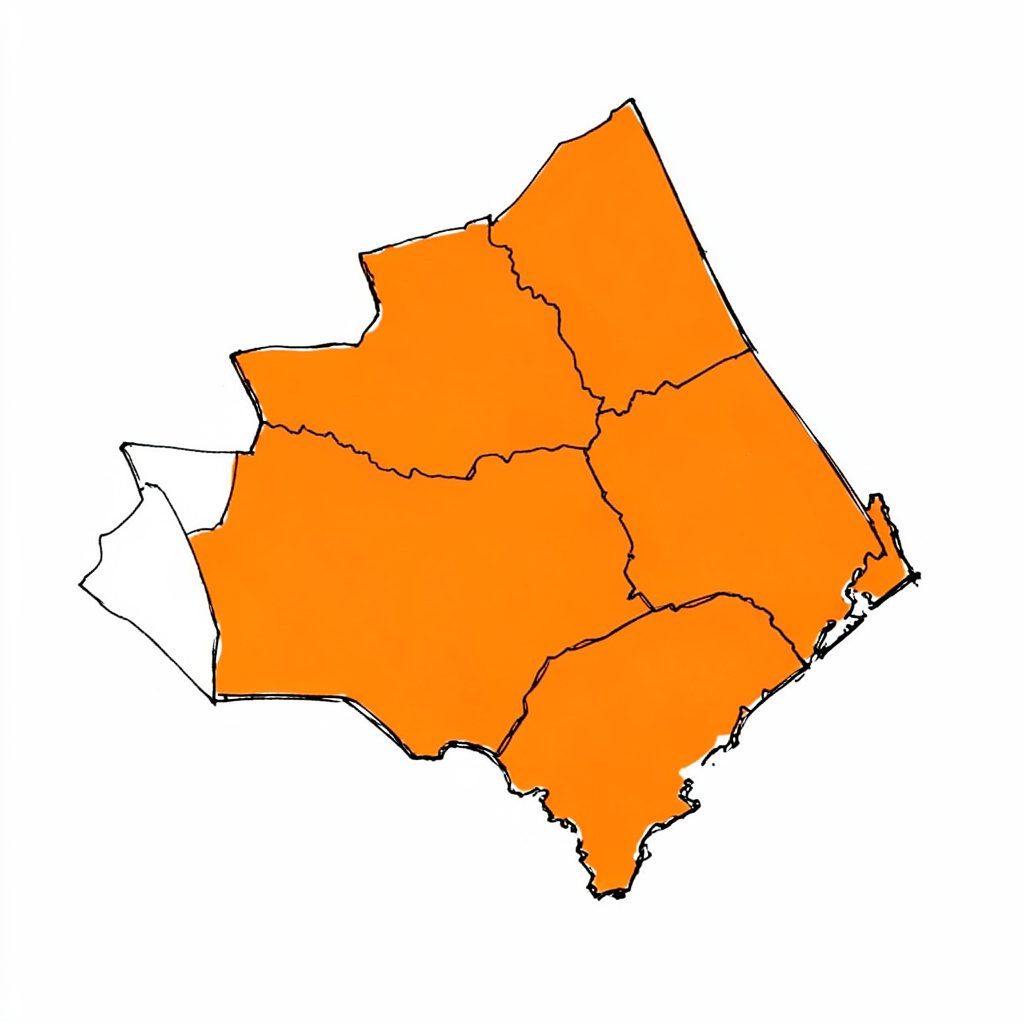
Tucked into pristine old Florida land in Flagler County, Florida Cracker Ranch is a family oriented outdoor adventure club where kids, parents and thrill seekers share the same trails, campsites and waterways.
Adventure Memberships available — families and singles welcome.
Reserve Your SpotWelcome to Florida Cracker Ranch
Often called Nature's Theme Park, our grounds invite families to ride ATV trails, splash through the swamp buggy area, pitch a tent, cast a line and explore old Florida hiking paths. Discover why members keep coming back season after season.
What You Can Do Here
ATV Trails
Marked routes for every skill level, including a peewee section.
Dirt Bikes
Dedicated dirt bike area built for two wheel adventure.
BMX & Mountain
Pedal powered BMX and mountain bike trails.
Swamp Buggy
Spacious swamp buggy area for big rig fans.
4x4 & Mud Trucks
Deep ruts and splash zones for 4x4s and mud trucks.
Skeet Range
Skeet shooting range in a controlled setting.
Camping
Membership campsites on a first come, first served basis.
Horse Trails
Scenic horse trails and riding paths.
An Old Florida Tradition
We honor the cracker way of life with old Florida outdoor living, traditional lodging, hiking and nature trails, plus fishing, swimming and beach access for members and their guests.
- Membership camping on a first come, first served basis
- Old Cracker Style Lodging cabins planned for overnight stays
- Old Florida hiking and nature trails
- Fishing, swimming and beach access
- Horse trails and riding


By the Numbers
Build a Safe Kayak Launch from the Shore
A kayak launch can turn a familiar stretch of shoreline into dependable access for families, club members and experienced paddlers. At an outdoor destination such as Florida Cracker Ranch, a simple shore-based entry point could complement fishing, camping and other water activities without the expense of a full marina. The same principles apply to Australian creek reserves, suburban lakes and coastal campgrounds.
A successful design begins with reading the site rather than buying materials. Water depth, tides, wind, soil, drainage and land access determine the right shape of the launch. This guide explains how to select a location, construct a durable access point, protect the bank and create a safe routine for launching and returning.
Start with water, land and permission
Visit the proposed site at both high and low tide. Note where the water reaches the bank, whether exposed rocks become hazards, and how runoff behaves after rain. Sydney’s sheltered tidal coves can change quickly, with mud flats appearing and disappearing between tide cycles. On an exposed coast, waves and storm surge may require a different entrance altogether.
Confirm who controls the land before moving soil. Public reserves, crown land, national parks and protected wetlands can be governed by councils, state agencies or environmental authorities. A private property owner may still need insurance, visitor controls and a review of neighbouring access rights. In Australia, the relevant waterways authority should be consulted where navigation markers, vessel limits or public safety rules apply.
Record the existing conditions with photographs and a simple sketch. Mark the high-water line, parking area, walking route, stable bank and any habitat that must remain undisturbed. A site that works for a cart-accessible kayak at one tide may become too steep, soft or shallow at another, so the baseline record will guide both construction and later maintenance.
Choose a launch shape for local conditions
The three common launch designs are a hardened ramp, a graded beach track and a floating or seasonal platform. A hardstand suits a permanent club facility, while a beach ramp works well where the shoreline moves naturally. A small platform can help at quiet inland lakes, but it is rarely suitable where waves or strong currents are present.
Cart users need enough width and a controlled slope. A beach entry around 1.5 to 2 metres wide, with a gentle grade of roughly 1 in 8, provides a useful starting point for testing, although local accessibility standards and professional advice may require different dimensions. Melbourne’s bays can produce sudden wind shifts, while Perth’s strong afternoon sea breeze can turn a calm morning launch into a difficult return.
Match the entrance to the expected paddle, not simply the shortest distance. A broad kayak landing beside a fishing jetty may create conflict, while a secluded bank can be isolated from emergency access. Clubs that add films or other entertainment to an outing should screen material carefully for mixed-age audiences; this collection of heartbreaking film deaths can help organisers avoid unsuitable scenes or unexpected themes.
Build the access without damaging the bank
Use materials suited to continuous ground contact and wet conditions. Australian hardware stores such as Bunnings and BCA carry treated timber, galvanised fasteners, drainage products and marine-grade coatings, while camping and four-wheel-drive markets supply portable ramps and recovery equipment. Avoid untreated timber, sharp-edged stone and improvised fittings that could snag a kayak or trailer.
Work from the landward edge toward the water so machinery does not churn the entire bank. Install a geotextile layer beneath gravel or stabilised sand where erosion is likely, and use solid retaining edges to keep the path from spreading. Cross-drainage should release water across the ramp rather than down its centre, preventing a channel from forming after heavy rain.
Secure edges with suitable anchors, but do not build into active dunes, mangrove roots or freshwater vegetation. Small projects may be completed with volunteer labour and basic hand tools; larger ramps, seawalls or structures on unstable ground need an engineer and the relevant approvals. Inspect the surface after the first major storm, tighten loose components and replace washed-out fill before another busy paddling weekend.
Plan tides, parking and peak-hour traffic
A launch that cannot be used at the safest time is not truly accessible. Compare local tide tables with forecast wind, rainfall and wave conditions, then identify a window that gives paddlers sufficient water depth without trapping them against an exposed shoreline. On Australia’s eastern coast, a rising tide may improve access but also strengthen current in narrow channels.
Provide room for vehicles without allowing the car park to become a mud trap. Australians commonly arrive with utes, roof racks, trailers and four-wheel-drive equipment, so the approach route may need more clearance than the launch itself. Staging vehicles near busy periods can also obstruct local residents, and off-peak community-use arrangements may suit weekday paddling better than weekend crowds.
State every charge clearly when a club sells parking, equipment hire or social-event tickets. Avoid hiding conditions inside a package price. The transparent approach illustrated by a casino cost explanation shows why listing the total fee, inclusions and exclusions helps visitors make an informed choice.
Manage shared-space etiquette with simple signs showing launch priority, slow paddling areas, wildlife protection and emergency access. Reserve enough room for anglers, swimmers and small craft to operate safely near the ramp. A volunteer wearing a high-visibility shirt can guide traffic during the busiest hours, while a map at the entrance should identify nearby roads, landmarks and the safest return point.
Equip every paddler for responsible travel
Personal buoyancy is the most important piece of launch equipment. Every kayaker should have a correctly sized, approved personal flotation device, a whistle attached where it can be reached immediately, a whistle or signal mirror, a waterproof phone pouch, drinking water and sun protection. Clothing should suit the water temperature, which can remain uncomfortable even in a warm Australian climate.
Waterway and fishing regulations vary between states, so check the current requirements before the launch day. Many jurisdictions require suitable flotation devices to be worn, with additional rules for children, overnight travel or particular waterways. Recreational fishing commonly requires a licence, and some areas regulate distance from swimmers, navigation channels, wildlife zones or sensitive shoreline habitat.
Keep commercial promotions separate from safety information. A quick review of gambling and crypto rules can help members recognise regulated betting and crypto promotions that have no connection to lawful outdoor recreation. Before setting off, pairs should agree on a route, check the weather together and confirm what to do if separated.
Make the launch day repeatable
A short opening inspection keeps the site dependable. Check the tide, surface, depth, drainage and any damage left by the previous storm. Confirm that emergency access remains clear and place rescue equipment, a first-aid kit and a contact sheet in a dry, visible location. The launch supervisor should record unusual conditions so the next group receives accurate guidance.
Design the experience around families as well as confident paddlers. Provide a stable area for kayaks, somewhere to store wet bags and a clear route to toilets, parking and sheltered seating. At a family park or traditional Old Florida-style guest property, a kayak launch can become part of a broader nature programme alongside fishing, hiking and camping, provided each activity has its own safety boundaries.
Keep a simple maintenance log with photographs, tide observations, repairs and visitor incidents. Review it before each season and update emergency contacts, equipment checks and site permissions. Before purchasing materials, spend one hour at the proposed location during both high and low tide, then create a one-page plan showing the access route, parking, bank protection, rescue equipment and required approvals.
Get in Touch
Send us a note about memberships, guest visits or directions. Phone 386-864-3856 or email floridacrackerranch@floridacrackerranch.com. Mailing address: P.O. Box 2993 Bunnell, Florida 32110.