
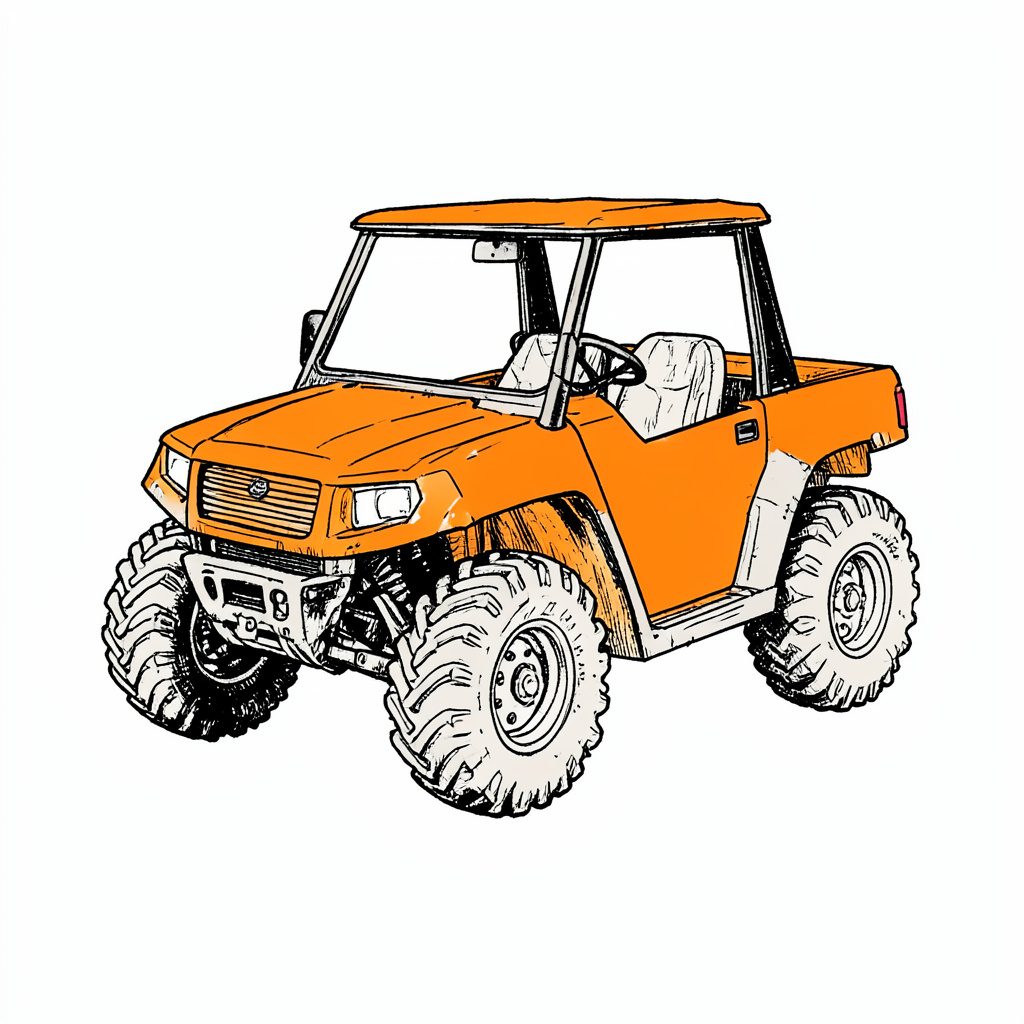
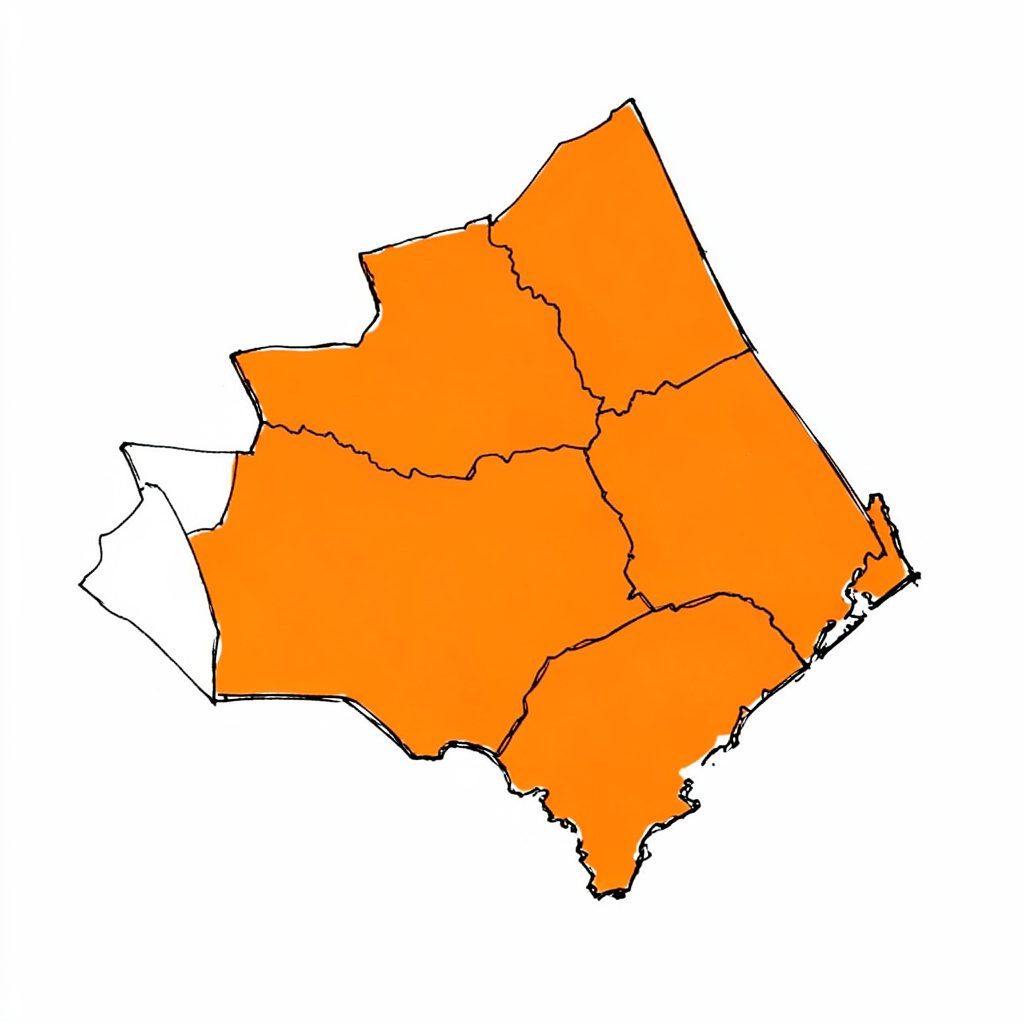
Tucked into pristine old Florida land in Flagler County, Florida Cracker Ranch is a family oriented outdoor adventure club where kids, parents and thrill seekers share the same trails, campsites and waterways.
Adventure Memberships available — families and singles welcome.
Reserve Your SpotWelcome to Florida Cracker Ranch
Often called Nature's Theme Park, our grounds invite families to ride ATV trails, splash through the swamp buggy area, pitch a tent, cast a line and explore old Florida hiking paths. Discover why members keep coming back season after season.
What You Can Do Here
ATV Trails
Marked routes for every skill level, including a peewee section.
Dirt Bikes
Dedicated dirt bike area built for two wheel adventure.
BMX & Mountain
Pedal powered BMX and mountain bike trails.
Swamp Buggy
Spacious swamp buggy area for big rig fans.
4x4 & Mud Trucks
Deep ruts and splash zones for 4x4s and mud trucks.
Skeet Range
Skeet shooting range in a controlled setting.
Camping
Membership campsites on a first come, first served basis.
Horse Trails
Scenic horse trails and riding paths.
An Old Florida Tradition
We honor the cracker way of life with old Florida outdoor living, traditional lodging, hiking and nature trails, plus fishing, swimming and beach access for members and their guests.
- Membership camping on a first come, first served basis
- Old Cracker Style Lodging cabins planned for overnight stays
- Old Florida hiking and nature trails
- Fishing, swimming and beach access
- Horse trails and riding



By the Numbers
A Photographer’s Guide To Sunrise At The Ranch Lake
Sunrise at the ranch lake offers a very different visual experience from the bright, high-contrast landscapes many Australian photographers know. Florida’s flat horizon, cypress silhouettes, humid air and still water can turn a simple dawn walk into a layered study of colour, reflection and wildlife. The best frames often appear before the sun clears the tree line, when the lake is blue-grey and the sky begins to soften.
For visitors travelling from Australia, the main adjustment is practical rather than creative. Florida mornings can feel warm and damp even when the forecast looks mild, while insects become active around wetland edges. Plan around local sunrise time, allow for the ranch’s private-access arrangements, and treat the location as a living outdoor environment rather than a fixed scenic lookout.
Scout The Lake Before Dawn
A successful sunrise shoot begins with a daylight visit. Walk the shoreline, identify stable ground, and note where the eastern sky is visible through palms, pines or cypress. The most obvious viewpoint is not always the strongest one; a bend in the bank or a narrow opening between trees may create a more balanced horizon and a cleaner reflection.
Look for foreground elements that give the image depth. A fallen branch, clump of sawgrass, dock edge or textured patch of mud can lead the eye towards the water. Keep a safe distance from wildlife and avoid stepping into dense vegetation, where uneven ground, submerged roots and Florida’s wetland animals may be difficult to see in low light.
The ranch includes a range of outdoor activities, so vehicle movement and early riders may affect the quiet atmosphere. Confirm the current access details through the ranch contact team, especially if you are planning a dedicated dawn session rather than photographing during a general visit.
Work With Florida’s Light
The light changes quickly during the first half-hour around sunrise. Start with a cool, restrained exposure while the sky is still dark, then watch for pale peach, lavender and gold appearing near the horizon. Florida’s humidity can spread the light through the atmosphere, creating a gentle glow rather than the hard-edged sunrise often seen in dry Australian interiors.
A wide-angle lens suits expansive sky and water, but a standard zoom is often more flexible. Use it to isolate a reflection, compress distant trees or frame a narrow strip of colour between branches. A telephoto lens can reveal layers of Spanish moss, birds and treetops without requiring you to move closer to the shoreline.
Bracket exposures when the sky becomes much brighter than the foreground. A graduated neutral-density filter can help retain colour above the horizon, while exposure compensation may be needed when the camera tries to render dark trees as grey. Review the histogram rather than relying only on the rear screen, which can appear brighter in the morning shade.
Choose A Calm Composition
Reflections are strongest when the water is still, so arrive before breezes develop. Place the horizon carefully and decide whether the image is about the sky, the mirrored lake or the surrounding vegetation. A low camera position can make a narrow strip of water feel expansive, while a higher viewpoint may reveal patterns in reeds and shoreline.
Avoid filling every frame with symmetrical reflection. A small disturbance, such as a ripple from a fish or a passing bird, can provide scale and movement. Leave space in the direction of that movement, and consider making a second exposure with a slower shutter speed to soften the ripples into broad lines.
Photographers coming from Sydney Harbour, the Dandenong Ranges or the open country around Alice Springs may instinctively search for dramatic elevation. The ranch lake rewards a quieter approach: repeated horizontal bands, subtle colour shifts and the contrast between wild vegetation and old-Florida structures can carry the photograph.
Pack For Heat, Water And Insects
Australian visitors often bring the right camera gear but underestimate the small practical details of a humid Florida morning. Condensation can form when equipment moves between air-conditioned accommodation and warm outdoor air. Keep the camera zipped inside the bag until it has had time to acclimatise, and carry a microfibre cloth for misted filters or damp tripod legs.
Mosquitoes can be active near water, even when the morning feels pleasant. Long, lightweight clothing, insect repellent and closed footwear are sensible choices. A hat helps with glare later in the morning, while sunscreen remains important because ultraviolet exposure builds quickly after the first soft light disappears.
Camera essentials
- Wide-angle or standard zoom lens for shoreline and sky
- Telephoto lens for distant wildlife and layered trees
- Sturdy tripod with a quick-release plate
- Spare batteries and memory cards kept in a dry pouch
Personal and field essentials
- Insect repellent, sunscreen and a brimmed hat
- Closed shoes with grip for damp or uneven ground
- Microfibre cloth and rain cover for sudden showers
- Water bottle and a small torch with a red-light mode
For a visual sense of how the property’s terrain, tracks and recreational areas connect, browse the Florida Cracker Ranch videos before choosing your route. Moving images can reveal access roads and landscape character that still photographs may hide.
Set Exposure For Wildlife
The lake may become active just as the colour peaks. Wading birds, turtles, fish and insects can create excellent secondary subjects, but wildlife photography demands patience and a longer lens. Keep the shutter speed high enough to freeze a bird lifting from the water, then lower it for a deliberate motion study once the scene is stable.
For sunrise landscapes, begin around ISO 100 or 200 if the light allows, with an aperture near f/8 for broad sharpness. A tripod gives you freedom to use slower shutter speeds while retaining clean detail. If an animal appears, switch priorities: raise the ISO, open the aperture and focus on the subject’s eye rather than preserving the original landscape settings.
Do not use calls, bait or sudden movement to force an encounter. Florida wildlife is accustomed to natural rhythms, and a quiet photographer is more likely to witness useful behaviour. Alligators may be present in Florida waterways, so stay well back from the edge, never approach an animal for a closer frame, and follow ranch instructions at all times.
The contrast between the gentle dawn palette and a sudden wingbeat can make a sequence feel cinematic. If you enjoy studying visual storytelling across cultures, the pacing and atmosphere of Nepali film can also offer useful inspiration for thinking in scenes rather than isolated images.
Plan The Visit Around The Season
Sunrise time shifts through the year, and Florida’s daylight-saving schedule can complicate planning for travellers from Australia. Check the exact local sunrise date rather than relying on a generic weather app setting. Australians are used to long summer evenings and, in some states, seasonal clock changes; Florida’s morning light may arrive at an unfamiliar hour after an international flight.
Weather also changes the character of the lake. A clear morning may provide crisp reflections and warm colour, while thin cloud can produce a broader, more even sky that is ideal for soft-toned images. After rain, saturated greens, droplets on grasses and low mist may become the main subjects. Thunderstorms can develop rapidly in Florida, so monitor radar and leave exposed areas if conditions deteriorate.
Membership and guest arrangements matter because the ranch operates as a private outdoor adventure club rather than a public city park. Campsites, lodging and access privileges can make an early start easier, particularly for photographers who want to avoid a long pre-dawn drive. An overnight stay also allows a relaxed scouting walk in the afternoon, when shoreline details are easier to read.
For Australian visitors, this kind of trip can fit neatly into a wider Florida itinerary. It may be tempting to treat the ranch as a quick excursion between Orlando attractions and coastal stops, but the lake is best experienced slowly. Build in time for the first light, an unhurried return to camp and the changing wildlife activity that follows sunrise.
Leave The Shoreline Ready For The Next Morning
A strong image should record the place without damaging it. Stay on established paths where possible, keep tripods and bags out of riding or vehicle routes, and pack out every piece of packaging or tape. Avoid trampling reeds for a clearer foreground; moving a few metres is usually enough to find another composition.
Members can contribute to the condition of the property through practical stewardship. The ranch’s guidance on DIY trail maintenance explains how visitors can help keep paths open and usable. Photographers benefit directly from this work because clear trails make quiet, low-impact access possible before the day’s activities begin.
After the shoot, back up files before travelling, add the local date and sunrise time to your notes, and record the viewpoint for future comparison. A simple log of cloud cover, wind, lens choice and exposure settings will make the next visit more productive than relying on memory.
Before bed, check the official sunrise time, pack the camera and insect protection, and set an alarm that leaves enough time to reach the lake in darkness without rushing.
Get in Touch
Send us a note about memberships, guest visits or directions. Phone 386-864-3856 or email floridacrackerranch@floridacrackerranch.com. Mailing address: P.O. Box 2993 Bunnell, Florida 32110.